The short answer, by type of trip
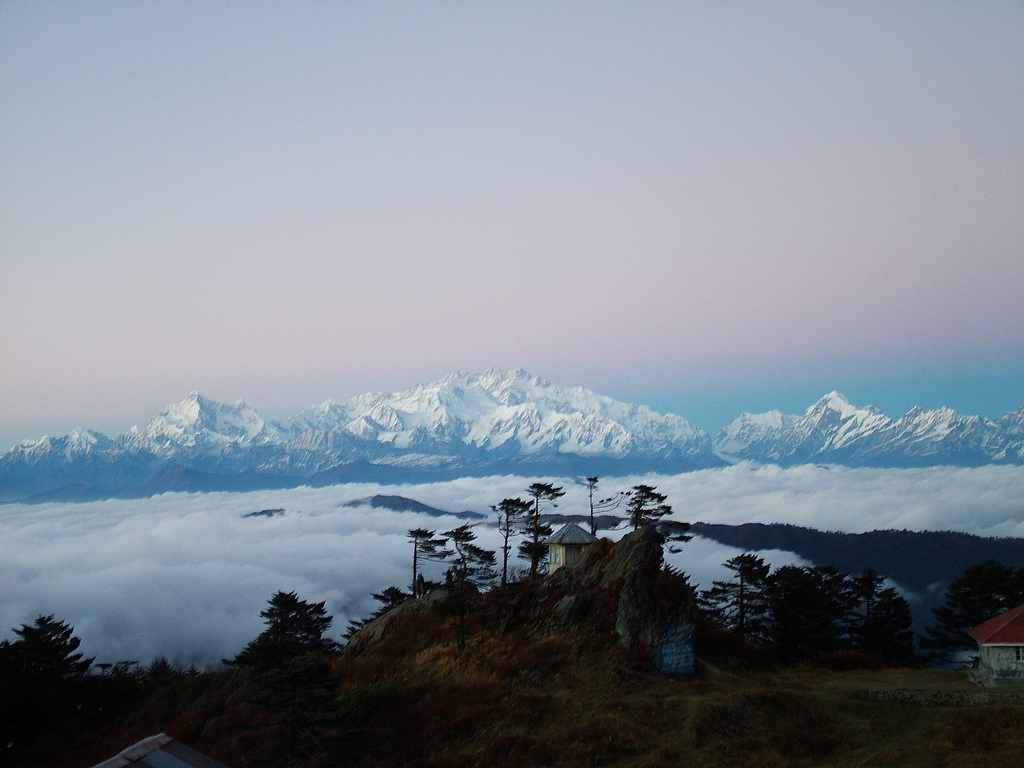
The Darjeeling hills have two good seasons and one hard one. Autumn, from late September to November, gives the clearest air of the year, festival colour and the best views of Kangchenjunga, which stands 74 km north of Darjeeling. Spring, from March to May, brings first flush tea and rhododendrons on the Singalila Ridge, with more haze from the plains. Winter, December to February, is cold, dry and quiet. The monsoon, roughly mid-June to mid-September, brings most of Darjeeling's annual rain of about 3,100 mm and regular landslides.
Which season suits you depends on what you want to see. Mountain views point to October and November. Tea points to spring, when the gardens are plucking. Oranges point to December. If you only want cheap rooms and quiet streets, the monsoon delivers, but at the cost of cloud, leeches and blocked roads.
Different trips peak at different times, and the best month for a honeymoon is not the best for a trek. Use this list as a starting point, then check festival dates and school holidays for the year you travel, since both move.
- Mountain views and photography: mid-October to mid-December, with the clearest mornings in November.
- Tea gardens and factory visits: March to May for first and second flush, October to November for autumn flush; factories are mostly closed in winter.
- Sandakphu trek: October to November, or March to April for rhododendrons; avoid June to September.
- Families with children: October, November and the Christmas break; May is warm but very crowded.
- Honeymoons: November, early December and March, when the weather is good and rooms are easier to find.
- Birding at Latpanchar, Lava and Neora Valley: March to May and October to November, when the park is open.
- Village homestays and oranges: late November to January in Sittong and the Riyang valley.
- Lowest prices: January, February and the monsoon months, with the trade-offs described above.
Month by month at a glance
The table shows typical Darjeeling temperatures at about 2,045 m and our rating for travel. Kalimpong, at 1,250 m, is about 4–6 °C warmer; Sandakphu, at 3,636 m, is far colder, often below freezing at night from November to March.
| Month | Darjeeling °C | Views | Crowds | Our rating |
|---|---|---|---|---|
| January | 2 to 9 | Often clear | Low | Good |
| February | 4 to 11 | Fair | Low | Good |
| March | 7 to 15 | Morning clear, haze later | Medium | Best |
| April | 10 to 17 | Morning only | High | Best |
| May | 12 to 19 | Hazy | Very high | Best for tea, busy |
| June | 14 to 19 | Rare | Medium | Fair |
| July | 15 to 19 | Very rare | Low | Avoid |
| August | 15 to 19 | Very rare | Low | Avoid |
| September | 14 to 19 | Improving late | Medium | Fair |
| October | 10 to 17 | Clear | High | Best |
| November | 6 to 14 | Very clear | Medium | Best |
| December | 3 to 11 | Clear | Medium | Good |


Autumn: October and November
This is the season we recommend first. The monsoon has washed dust from the air, and on most mornings Kangchenjunga is clear from Darjeeling, Kalimpong and every viewpoint in between. Days are around 10 to 17 °C in October and 6 to 14 °C in November. The autumn flush tea is plucked, the Sandakphu trek is at its best, and the forests above Lava and Rishyap are dry underfoot.
The catch is crowds in October. Durga Puja and Dashain usually fall in late September or October, and Tihar follows about three weeks later, around Diwali. Visitors from Bengal arrive just as local families travel home for the festivals, so trains, rooms and shared jeeps sell out and prices rise. Book two to three months ahead for those weeks, or come in mid to late November, when the views are as good and the hills are calmer.
Spring: March to May
Spring is the tea season. From March the gardens pluck the first flush, light and floral, and by late May the second flush, with the muscatel flavour Darjeeling is known for. Rhododendrons flower on the Singalila Ridge from March into May, peaking in April, and magnolias bloom in the forests. It is a lovely time to walk estates around Kurseong and Darjeeling or to trek to Sandakphu.
Views are less reliable than in autumn. Haze builds from the plains through the day, so mornings are clear more often than afternoons, and pre-monsoon storms arrive in May. Crowds rise from mid-April, with school holidays and Bengali New Year, and May is the busiest month of the year, with traffic jams on the Hill Cart Road. For spring, March and early April give the best balance.
- Be at viewpoints by 5–6 am; mountains often cloud over by 10 am.
- Book toy train seats and Darjeeling hotels early for April and May.
- Stay in villages such as Takdah, Sittong or Rishyap in May to avoid town crowds.
Winter: December to February
Winter is cold and dry, and often very clear. Darjeeling mornings drop to about 2 °C in January, with frost, and most budget rooms have no heating. Sandakphu sees snow and the Land Rover road can close for days. In return the town is quiet, rates fall after New Year, and the views can be as sharp as in November.
December is orange season in Sittong and the Riyang valley, when the Darjeeling mandarin ripens on trees between the houses. Christmas and New Year bring a short peak in Darjeeling. Losar, the Tibetan new year, falls in February or early March, with prayers at monasteries in Ghum, Darjeeling and Kalimpong. Tea gardens are pruned and dormant in winter, so factory visits are limited.
Monsoon: June to September
The monsoon usually reaches the hills by mid-June and eases in late September. July and August are the wettest months, with rain most days and fog that hides the mountains. Landslides block the roads between Siliguri, Darjeeling and Kalimpong, and National Highway 10 along the Teesta is especially prone. Neora Valley National Park closes for the season, roughly mid-June to mid-September, and treks to Sandakphu stop. Forest walks bring leeches.
There are reasons to go. Hotels are cheap, the hills are very green, and the monsoon flush is being plucked. If you travel in these months, stay in one town, keep a spare day at the end of the trip, carry rain gear and sealed bags for electronics, travel in the morning and check road status each day. Check current status before you travel.
Altitude and the Singalila Ridge
Most of this hive sits well below the height where altitude sickness is common. Kalimpong is about 1,250 m, Kurseong about 1,482 m, Darjeeling about 2,045 m and Rishyap about 2,590 m. The exception is Sandakphu, at 3,636 m, the highest point in West Bengal. Sleeping above 3,000 m can cause headache, breathlessness, nausea and poor sleep, especially if you drive up in one day.
Plan at least one night in Darjeeling before going up, climb slowly if you trek, drink water and avoid alcohol. If symptoms worsen, descend. Talk to your doctor before the trip if you have heart, lung or blood pressure conditions. For Sandakphu views, October, November and April are the strongest months, and nights are below freezing from November to March.
Prices are indicative 2026. Permits, road openings, fees and timetables change: check current status before you travel.